SUSTAINED Project Closure Meeting
SUSTAINED Project Closure Meeting
Closure Meeting and Consortium Reflection
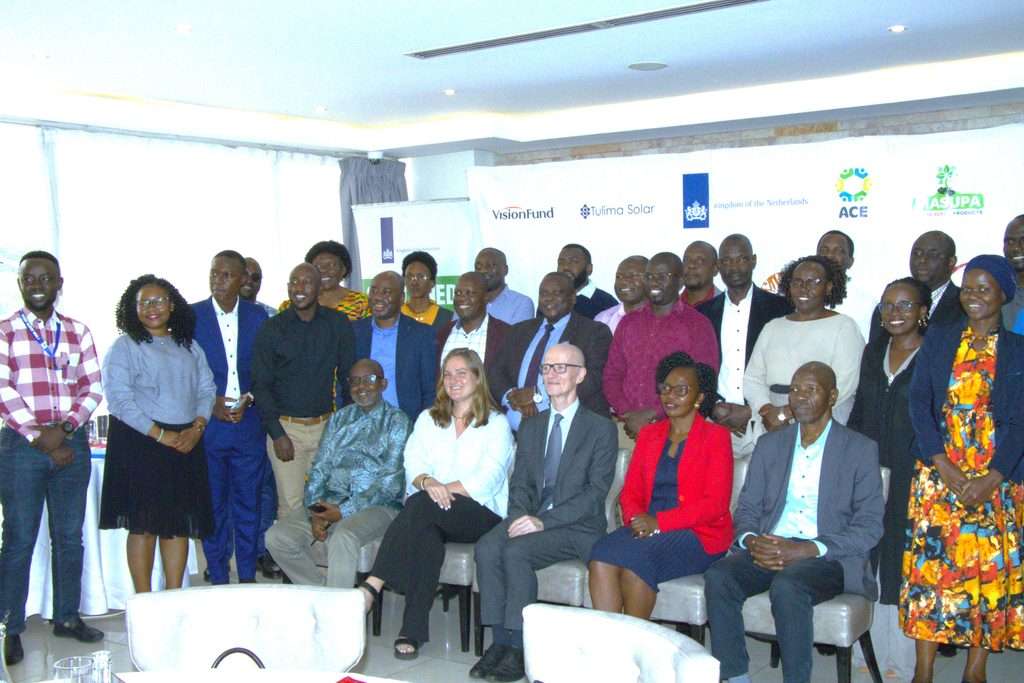
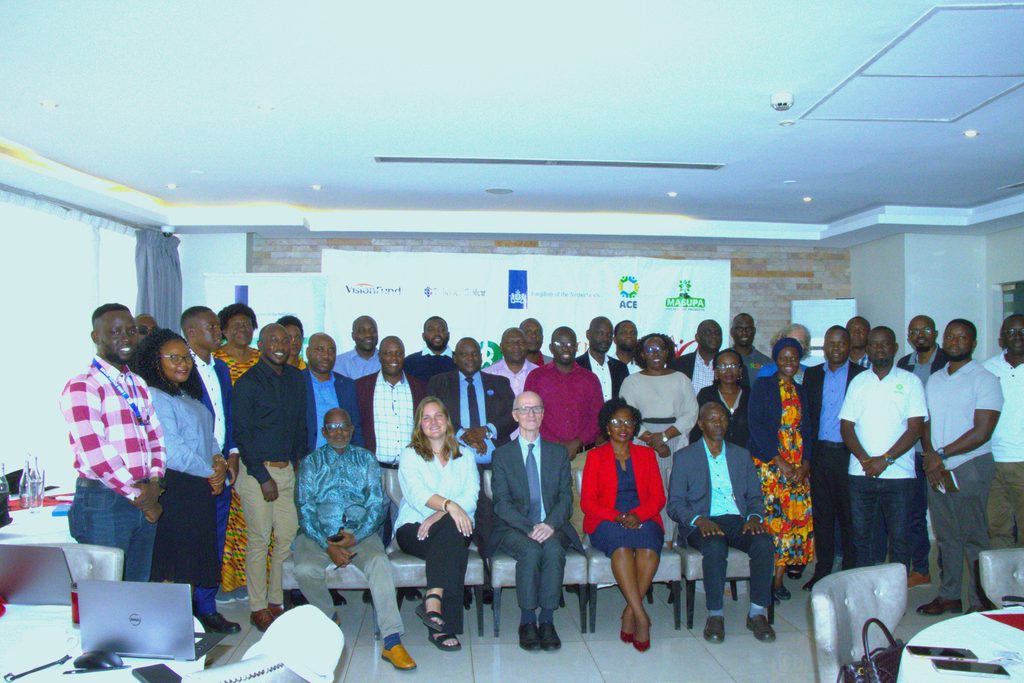
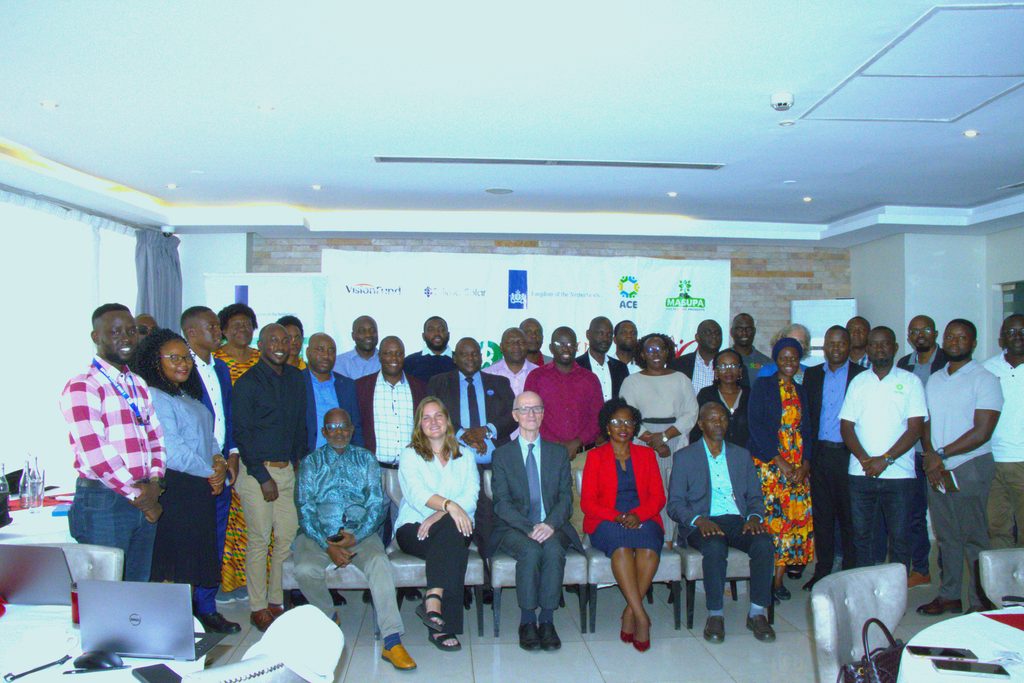
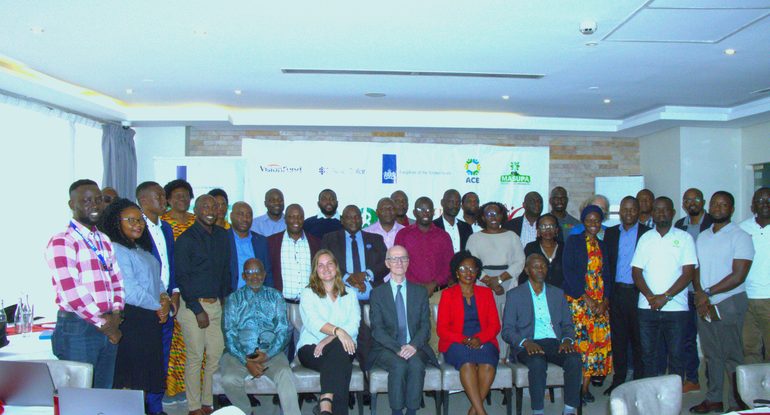
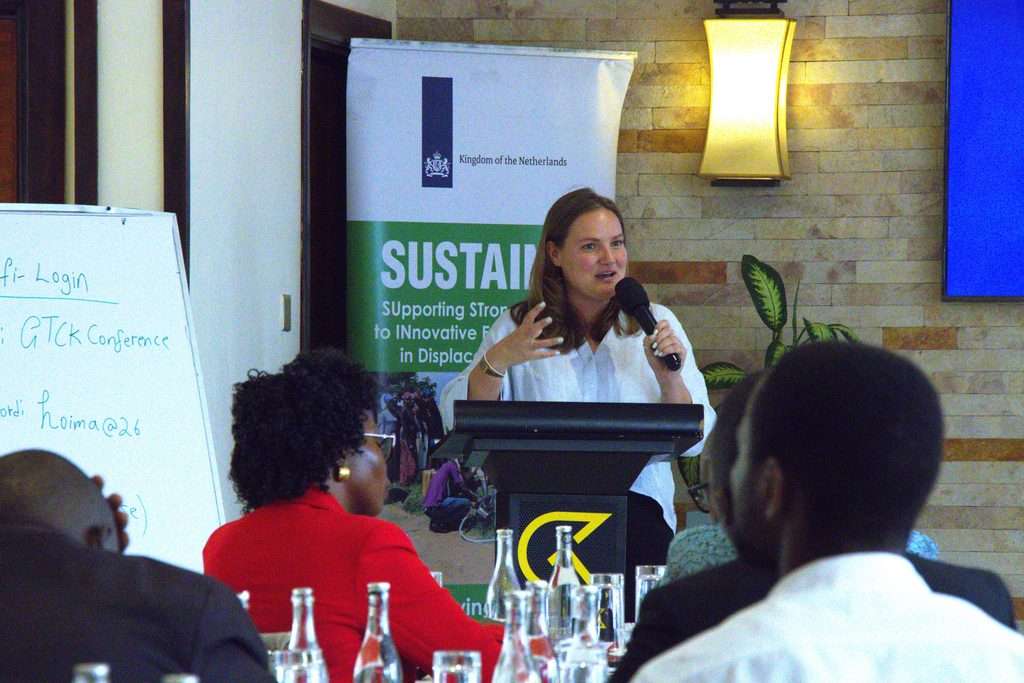
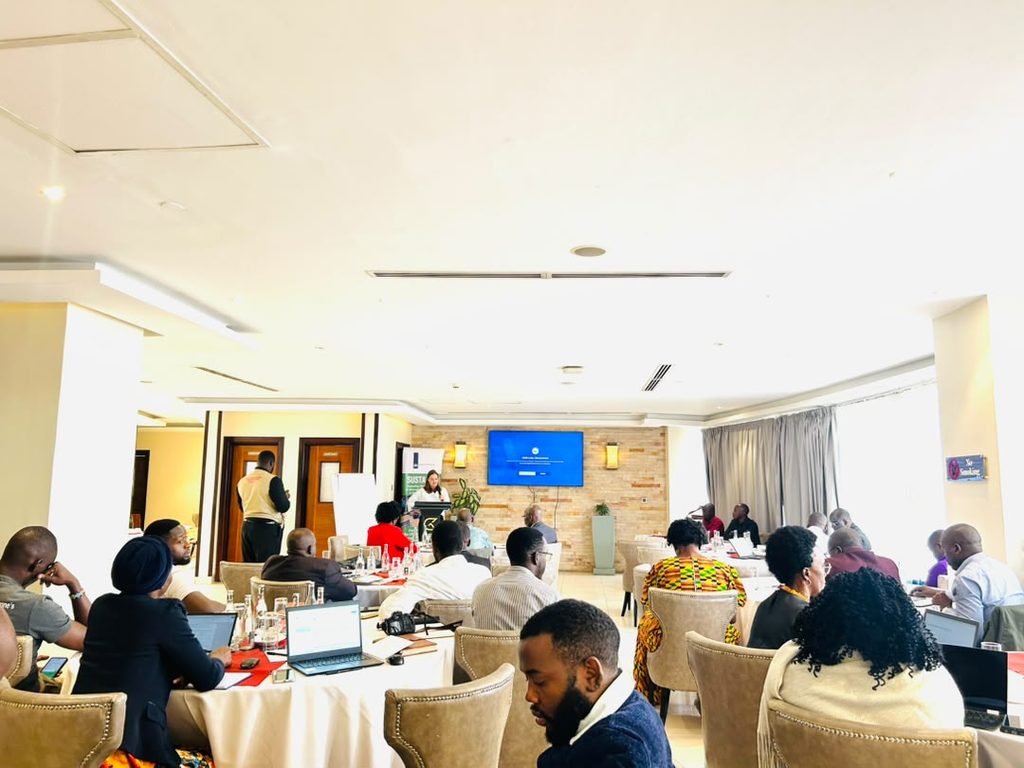
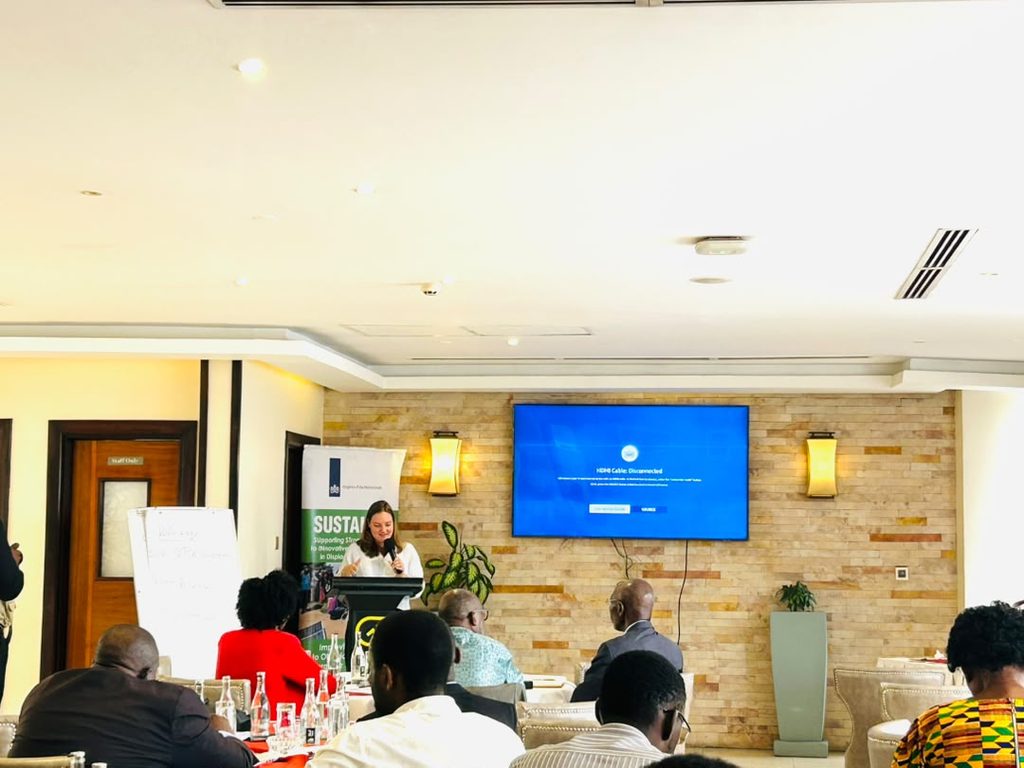
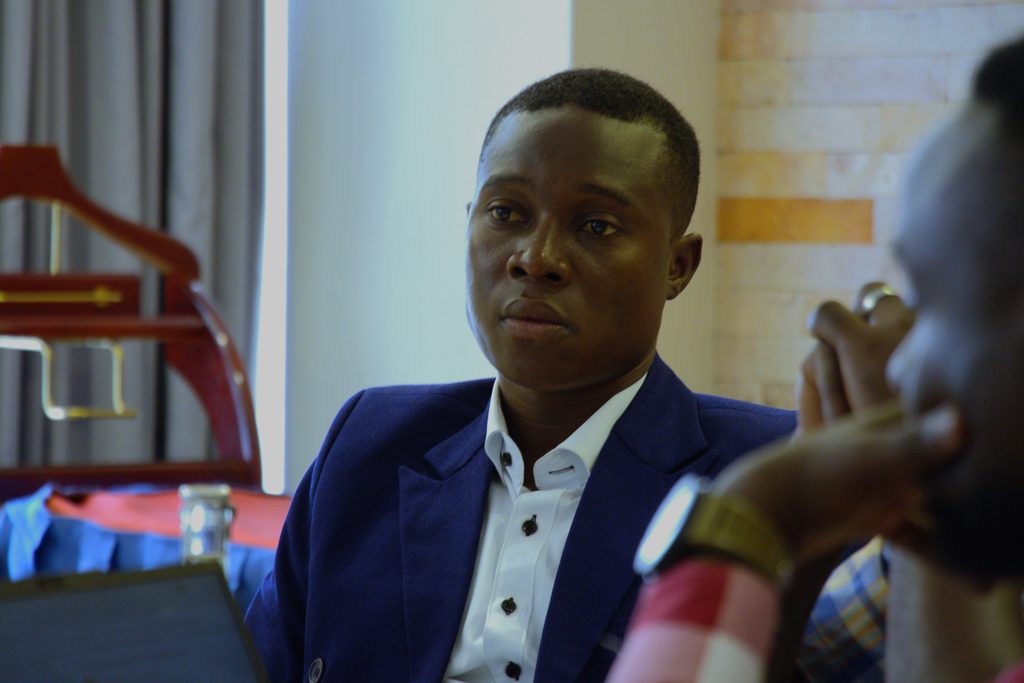
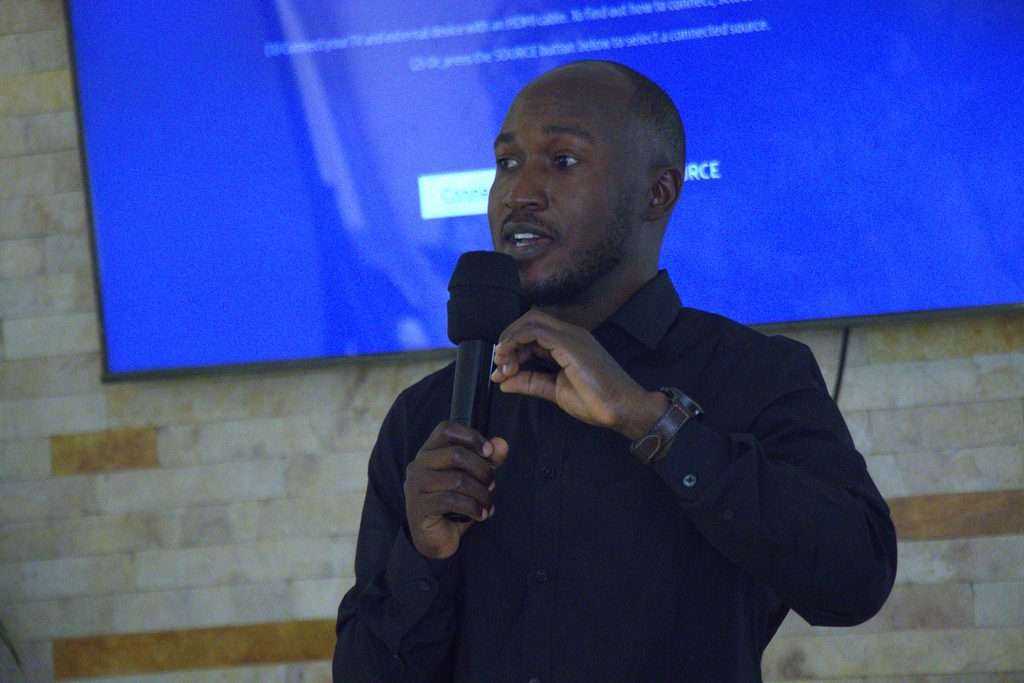
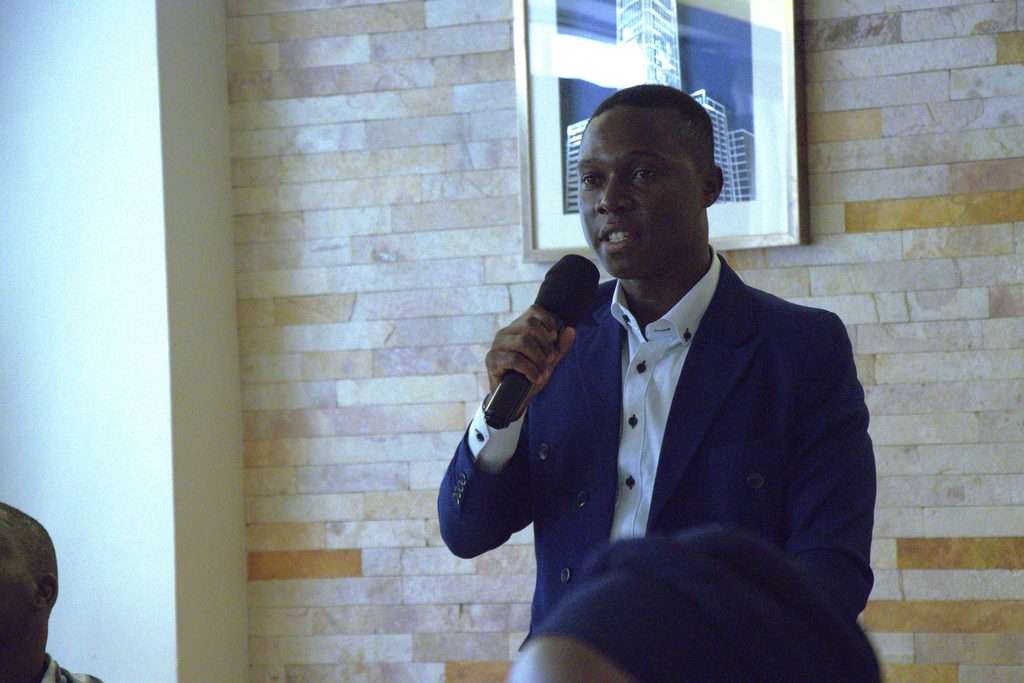
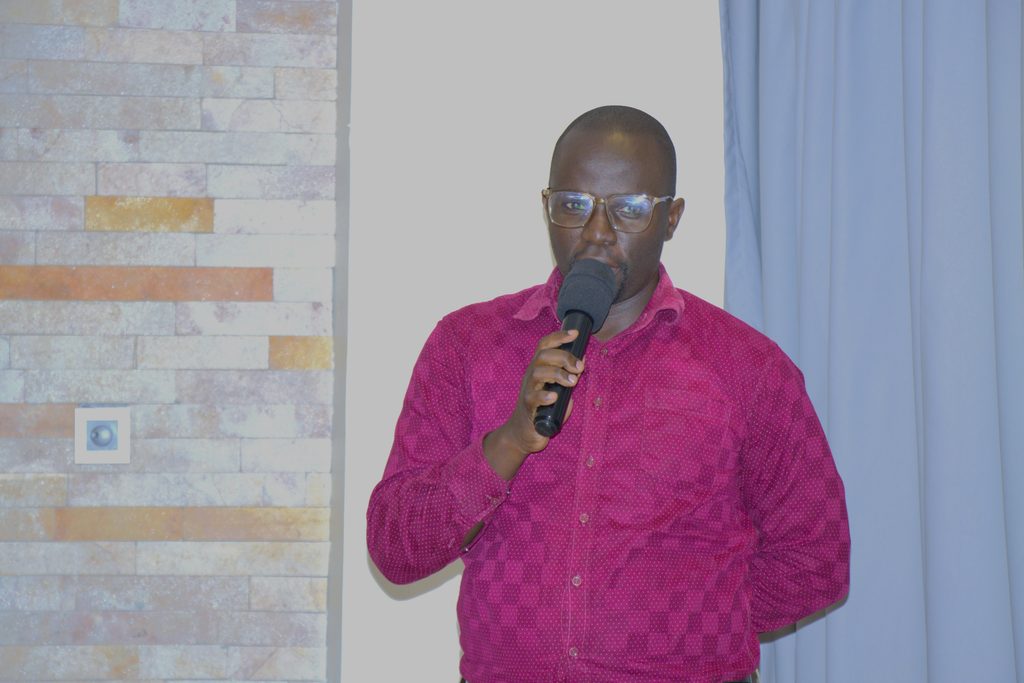
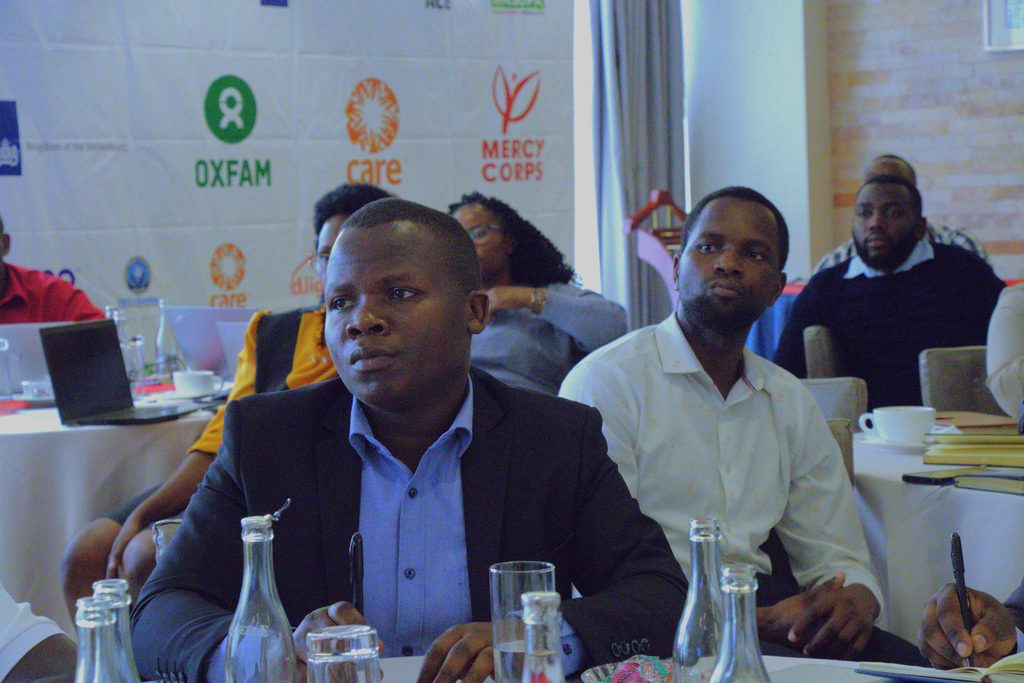
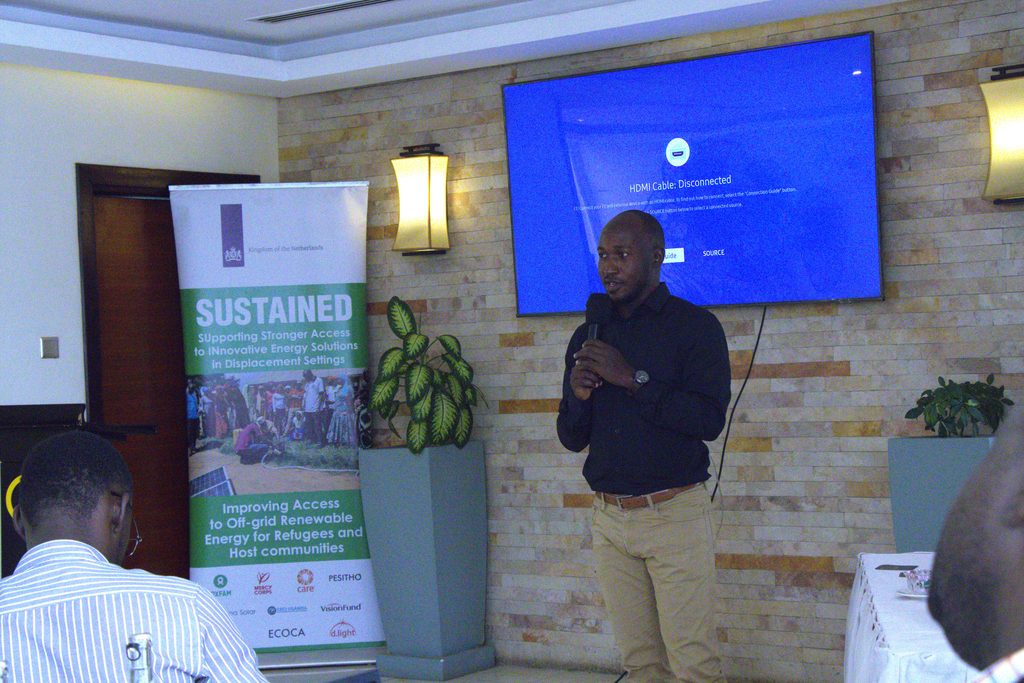
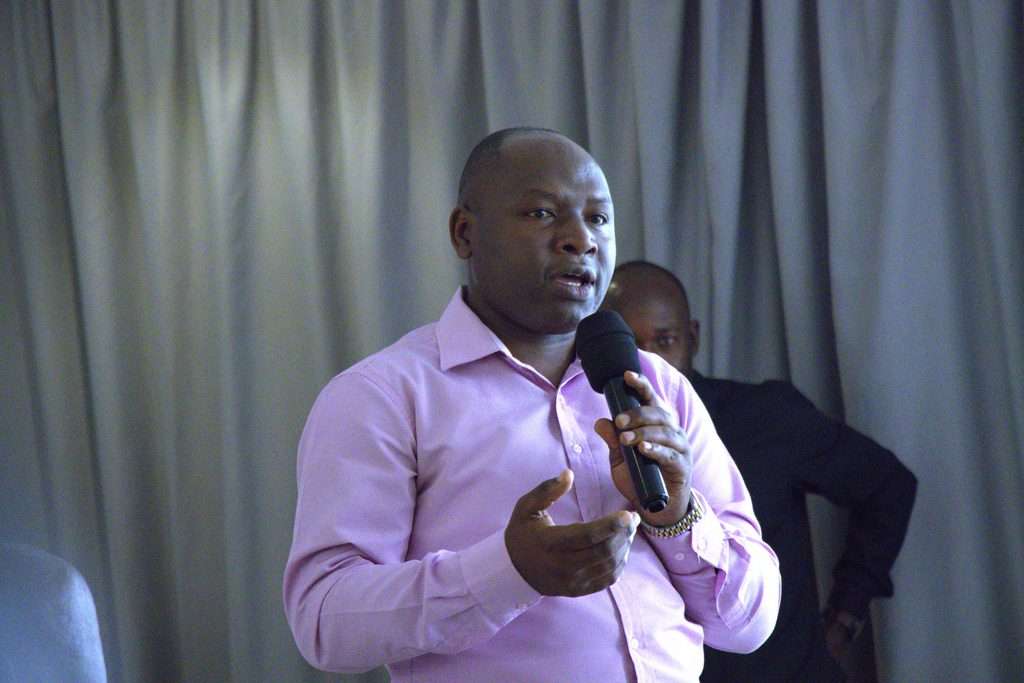
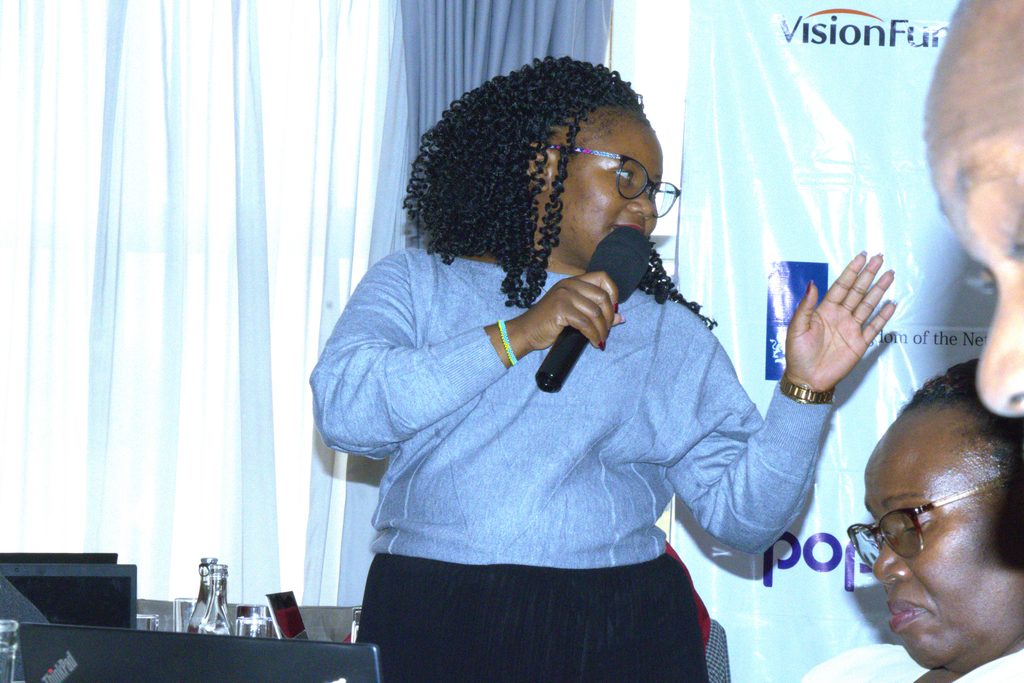
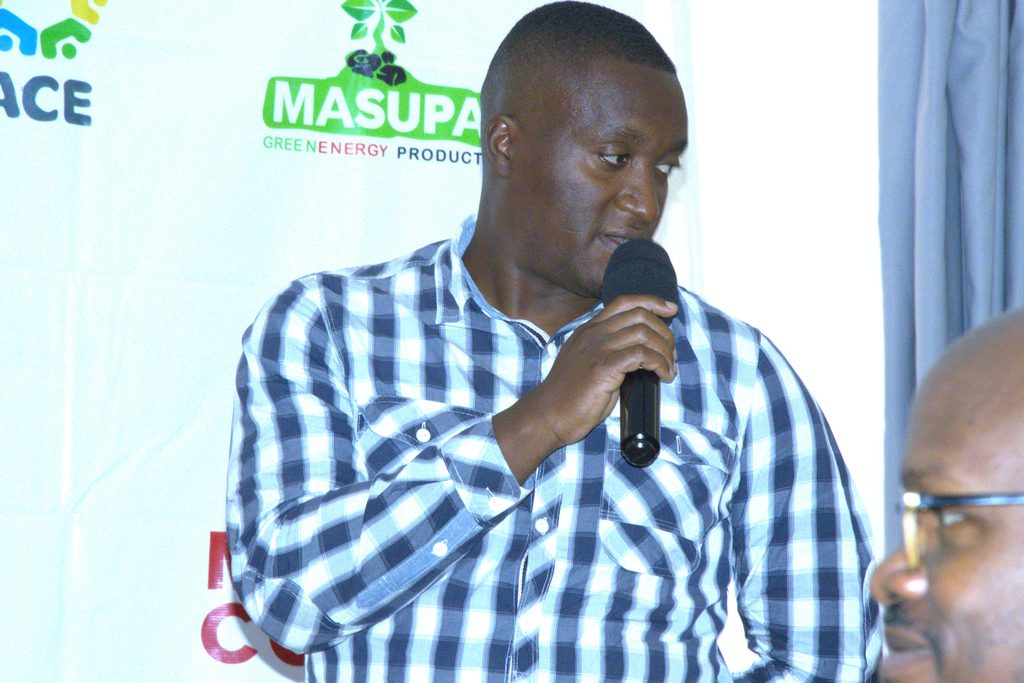
On 17 September 2026, I Can South Sudan (ICSS) participated in the SUSTAINED Project closure meeting at Golden Tulip Hotel in Kampala, organized by Mercy Corps Uganda, the lead consortium partner. The meeting brought together consortium partners, ESCOs, financial service providers, refugee-led organizations, government and development actors, and the Embassy of the Kingdom of the Netherlands (EKN) to reflect on the project’s achievements, challenges, lessons, and sustainability.
The Supporting Stronger Access to Innovative Energy Solutions in Displacement Settings (SUSTAINED) Project was implemented from October 2024 to October 2026, with the aim of improving access to affordable, sustainable, and innovative energy solutions for refugees and host communities. The consortium was led by Mercy Corps Uganda, in partnership with Oxfam Uganda, CARE International, I Can South Sudan, CECI Uganda, ESCOs including Tulima Solar, POPO, ECOCA, ACE, MASUPA, D.light and Hangana Energy, and financial service providers including Vision Fund Uganda and FINCA. The project used a Market Systems Development (MSD) approach to strengthen the wider energy market and promote sustainability beyond the project period.
Project Goal, Objectives and Key Activities
SUSTAINED was designed to address limited awareness of renewable energy, high upfront costs, limited access to finance, weak supply chains, and inadequate technical and after-sales services. The project focused on increasing adoption of productive-use-of-energy (PUE) and clean cooking solutions, strengthening community groups, improving access to financial products, supporting ESCOs, promoting responsible business practices, and engaging government and other stakeholders. Key activities included awareness campaigns, demonstration sites, market activation, farmer group capacity building, learning visits, financial literacy, technician training, clean cooking promotion, policy advocacy, community dialogues, e-waste initiatives, and community feedback mechanisms.
Key Achievements and Community Impact
During implementation, 327 community groups representing 8,175 refugees and host-community members were strengthened and linked to ESCO and retailer networks. The project established 14 demonstration sites, trained 30 technicians, supported 20 distribution points, and facilitated the sale of 6,625 improved energy products. In addition, 329 farmer groups acquired solar water pumps, while 5,552 households acquired improved cookstoves. The project also contributed to an estimated 14,637 metric tonnes of CO₂ equivalent avoided annually.
The project contributed to improved livelihoods, agricultural production, business operations, clean cooking practices, and environmental protection. Solar water pumps supported irrigation and agricultural production, while productive-use technologies such as deep freezers supported small businesses. The project reported that 97% of participants adopted recommended clean-cooking practices, while 87% of households reported improved indoor air quality. Financial literacy also strengthened community understanding of savings, loans, and asset-financing opportunities.
Key Lessons and Challenges
A key lesson from the project was that communities are more likely to adopt energy technologies when they clearly understand their connection to livelihoods, businessdevelopment, and income generation. The project also demonstrated that demand creation must be matched with adequate product supply, affordable financing, reliable technicians, and after-sales services.
Implementation challenges included frequent stock-outs, high taxes on some solar and clean-cooking products, slow supply-chain development, high upfront costs, limited financing, and high last-mile distribution costs. In some areas, previous free or subsidized distributions also created expectations that energy technologies should be provided without payment, making the transition to a market-based approach more challenging.
Sustainability and the Way Forward
The project closure emphasized that the market structures and capacities established through SUSTAINED provide a foundation for continued clean-energy access. ESCOs and energy entrepreneurs can continue commercial sales, installation, maintenance, and after-sales services, while trained technicians and distribution points can strengthen local technical support.
Financial service providers can continue developing suitable asset-financing and clean-energy products, while community groups, farmer organizations, savings groups and trained agents can promote PUE technologies and renewable-energy financing. District local governments, humanitarian and development partners, and refugee-led organizations can continue supporting coordination, awareness and market development.
Looking Forward
The closure of SUSTAINED marks the end of the two-year project but also a transition towards greater ownership by communities and market actors. The project demonstrated the importance of functional markets, informed consumers, responsive ESCOs, affordable financing, skilled technicians, supportive policies and strong community partnerships in sustaining clean-energy access.
Although the project could not be renewed due to funding constraints, its investment in community capacity, market linkages, financial inclusion, technical skills, clean cooking, PUE technologies and responsible business practices provides a foundation for continued progress. I Can South Sudan remains committed to working with communities and partners to promote sustainable livelihoods, clean energy access, environmental protection, and locally driven solutions for displaced and host communities.

Leave A Comment