Supporting Stronger Access To Innovative Energy Solutions In The Displacement Settings (SUSTAIN Project)
Supporting Stronger Access To Innovative Energy Solutions In The Displacement Settings (SUSTAIN Project)
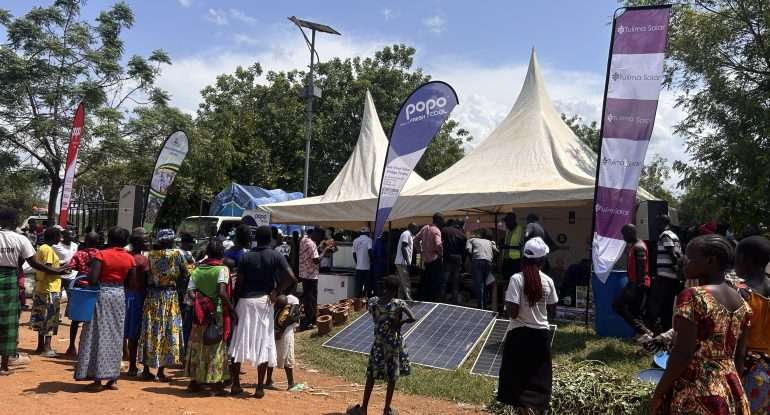
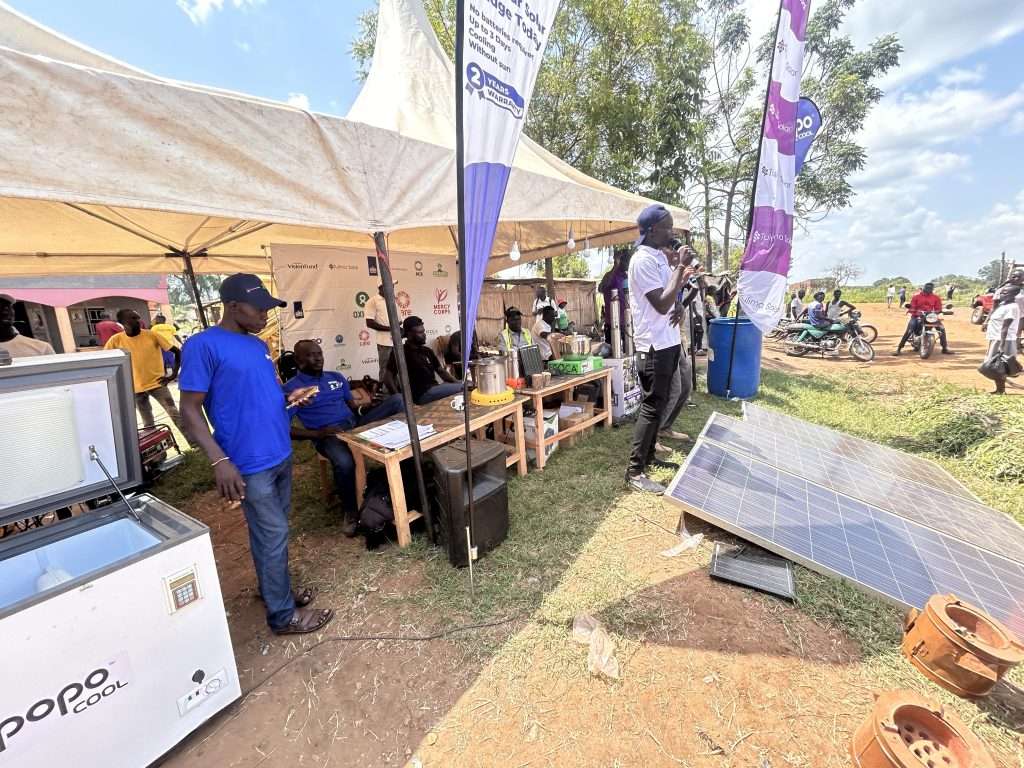
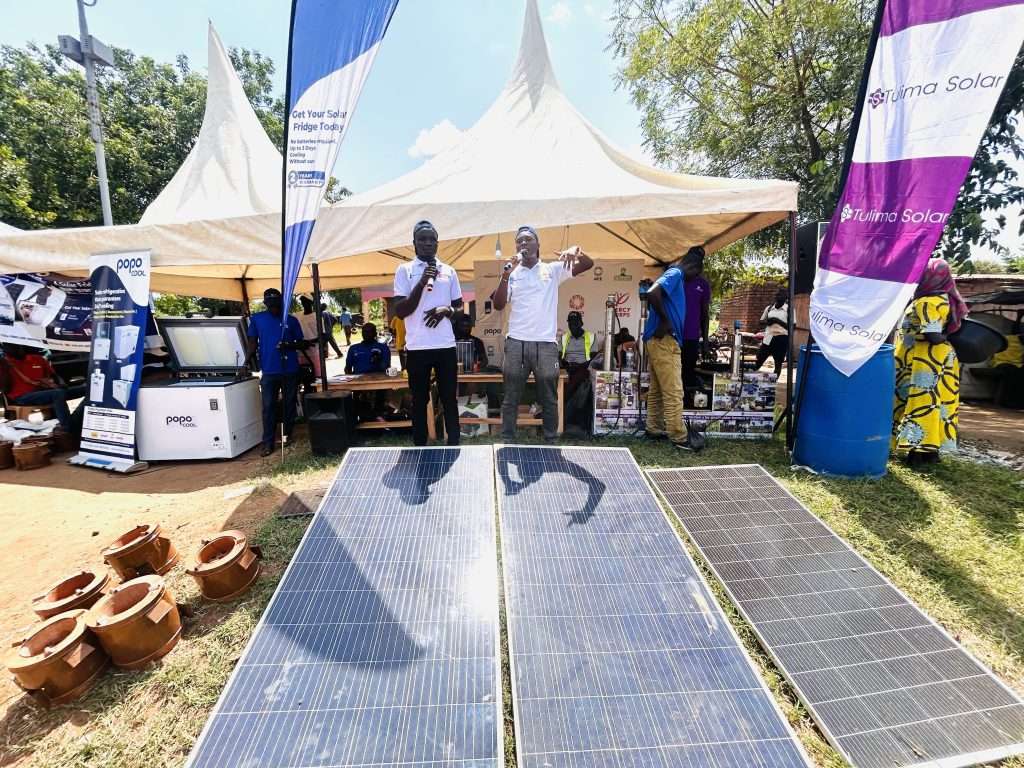
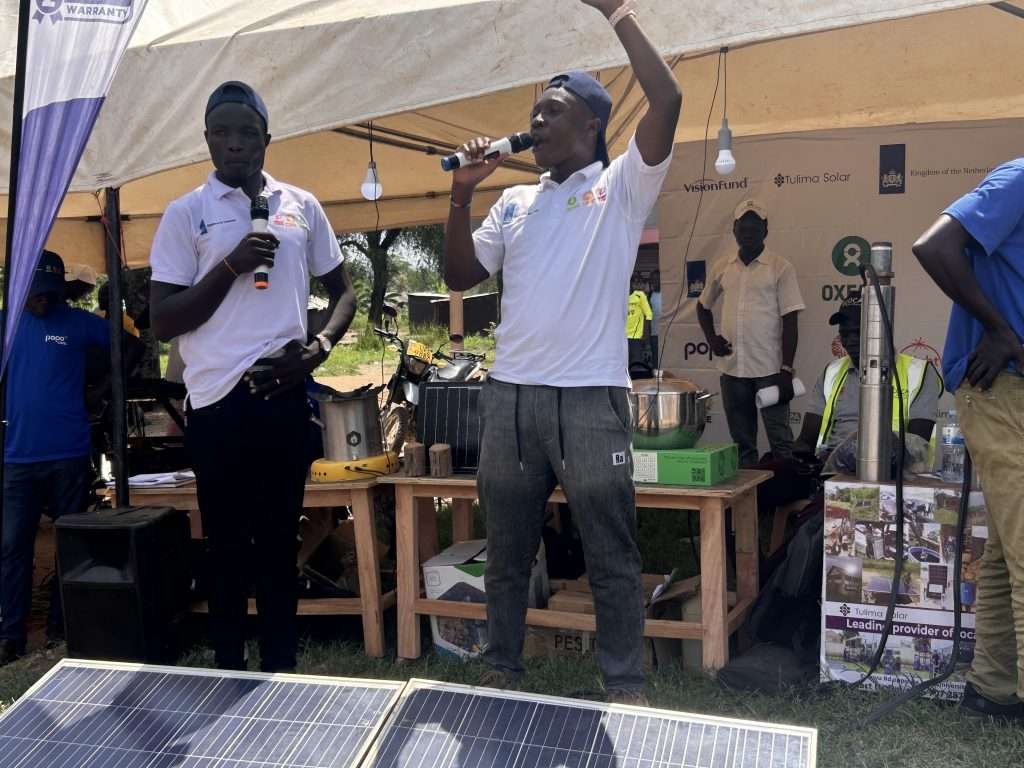
I CAN South Sudan (ICSS), under the SUSTAIN Consortium Project, implemented in partnership with Oxfam Uganda and funded by the Kingdom of the Netherlands, successfully conducted a Mega Exhibition on Productive Use of Energy (PUE) and Clean Cooking Solutions (CCS) from 7th–16th July 2026 across Rhino Camp Refugee Settlement in Terego and Madi Okollo Districts. The exhibition targeted both refugee and host communities and was designed to increase awareness, stimulate market demand, and promote the uptake of off-grid solar and clean energy technologies. The activity was implemented in collaboration with Energy Service Companies (ESCOs), the Office of the Prime Minister (OPM), Refugee Welfare Councils (RWC), local leaders, community structures, and Vision Fund Uganda.
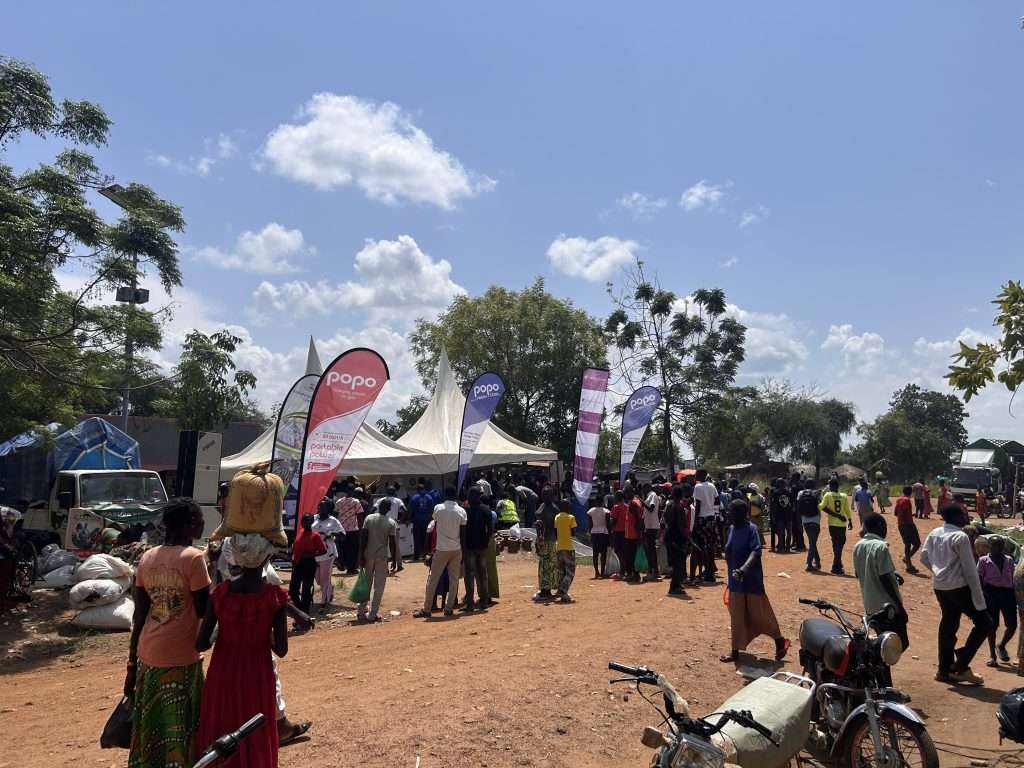
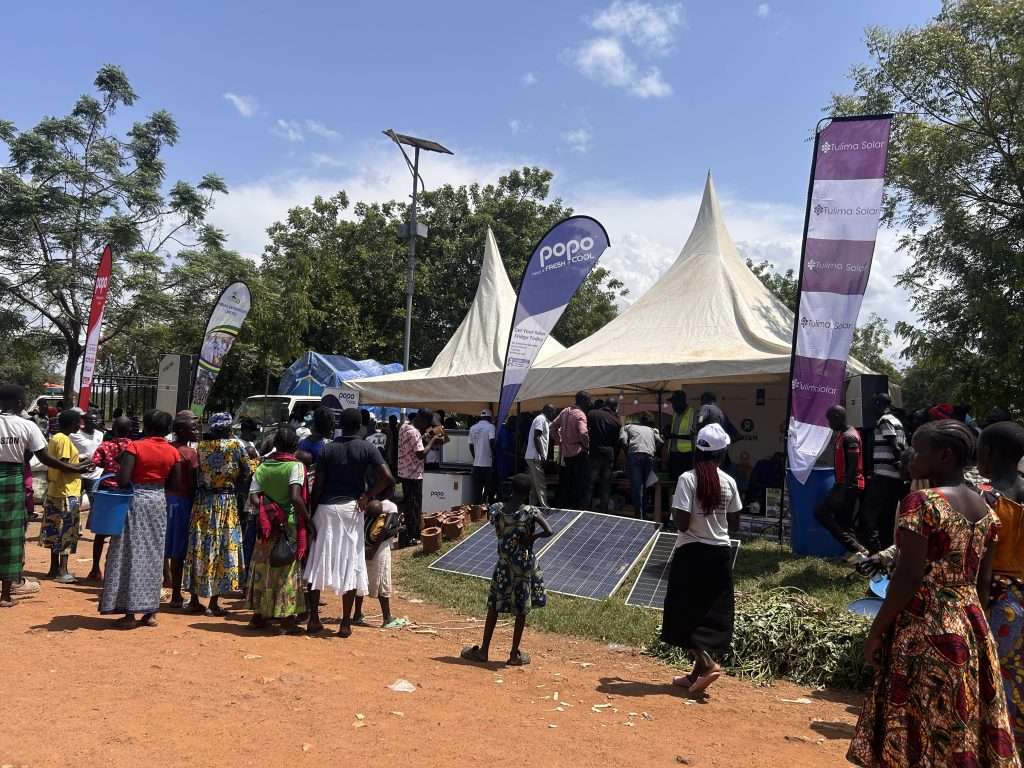
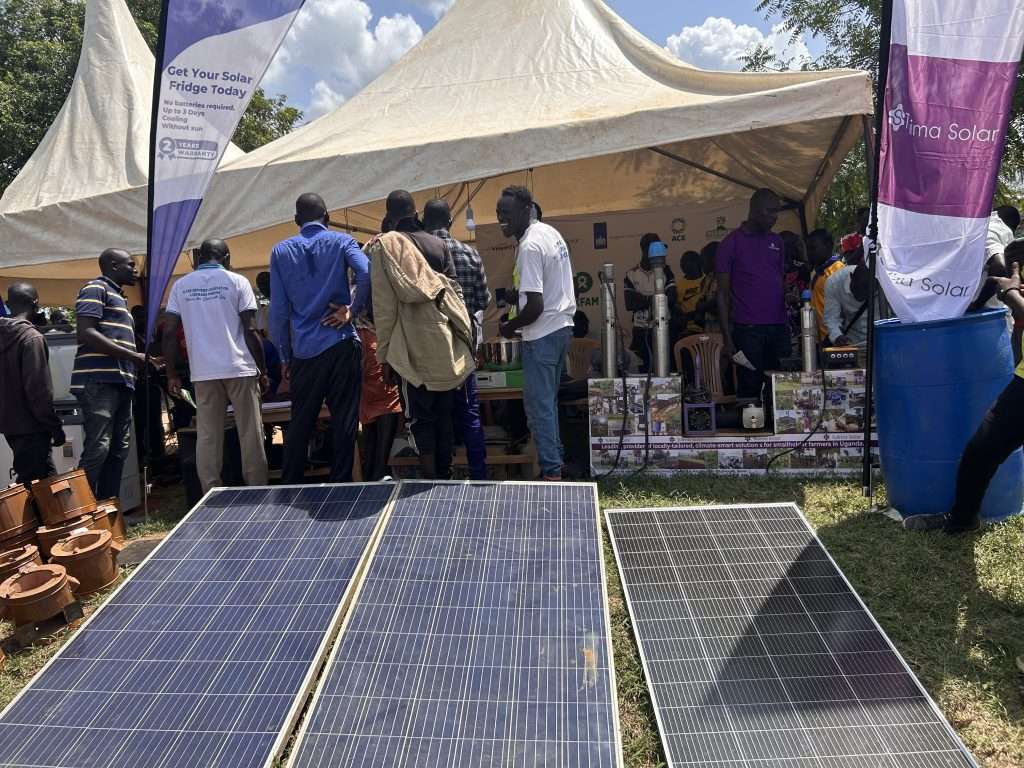
The exhibition provided an interactive platform for community members to directly engage with ESCOs and financial service providers, enabling them to explore different technologies, understand their applications, and receive information on financing, operation, maintenance, and after-sales services. The technologies showcased included solar submersible and surface water pumps for irrigation, solar refrigerators for businesses and agricultural value chains, and a range of Clean Cooking Solutions. Practical demonstrations enabled participants to better understand how the technologies can contribute to increased agricultural productivity, reduced post-harvest losses, improved business performance, reduced household energy expenditure, and improved health and environmental outcomes. Vision Fund Uganda complemented the exhibition by providing information on asset financing, eligibility requirements, loan application procedures, repayment arrangements, and available financing packages.
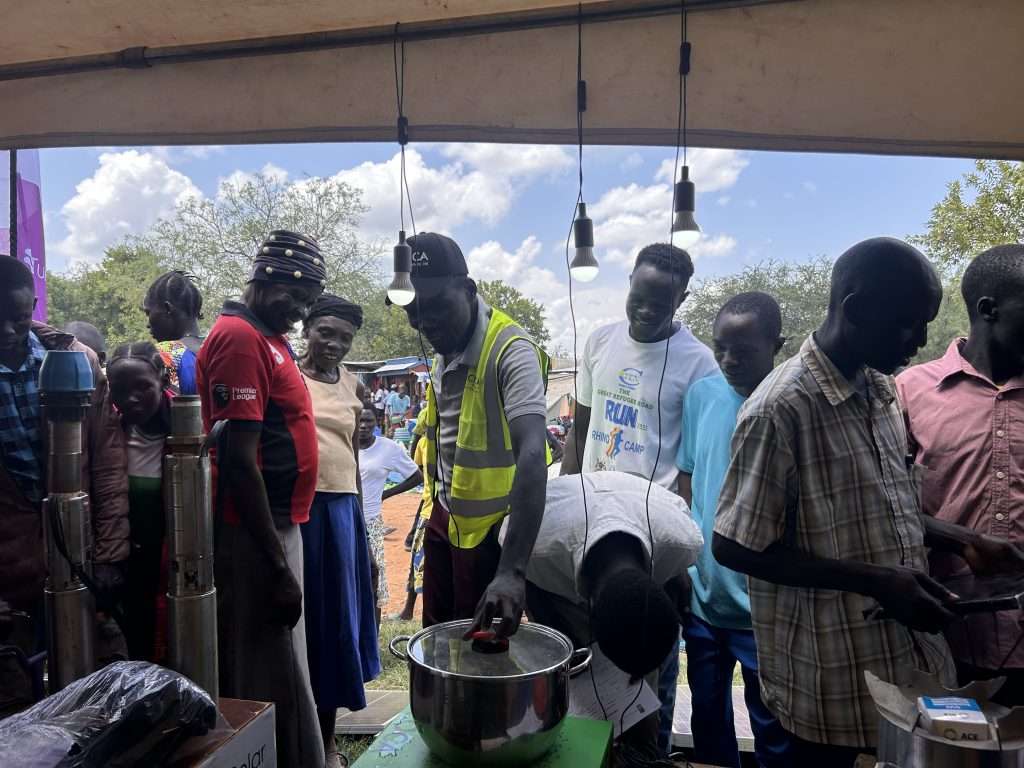
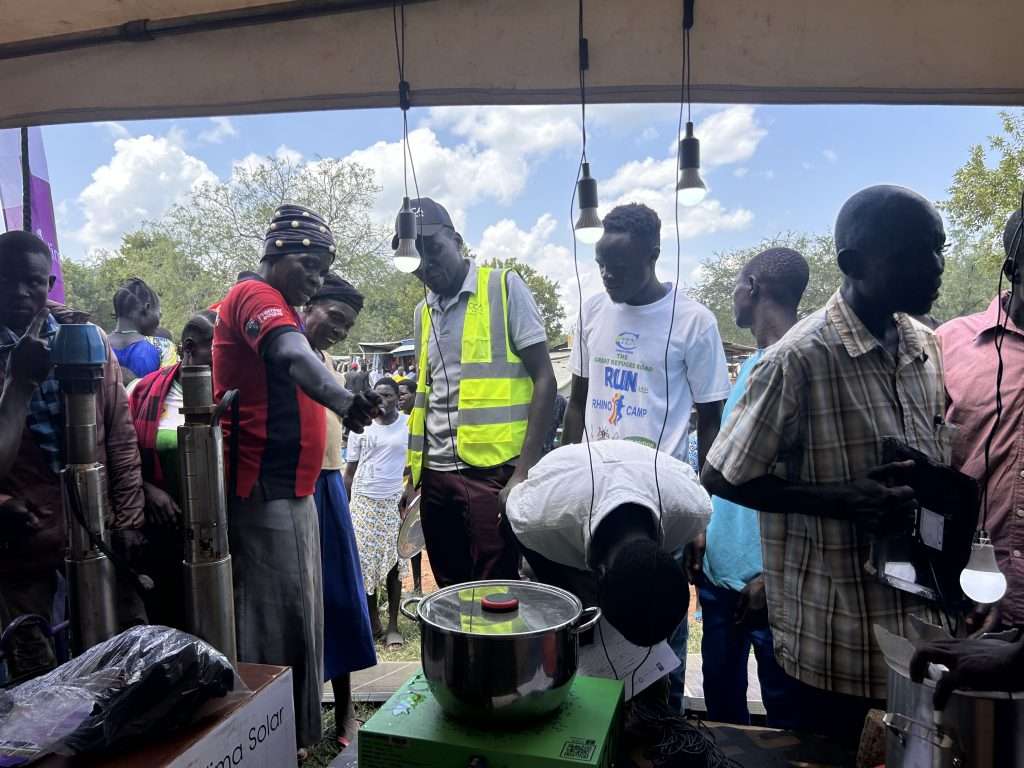
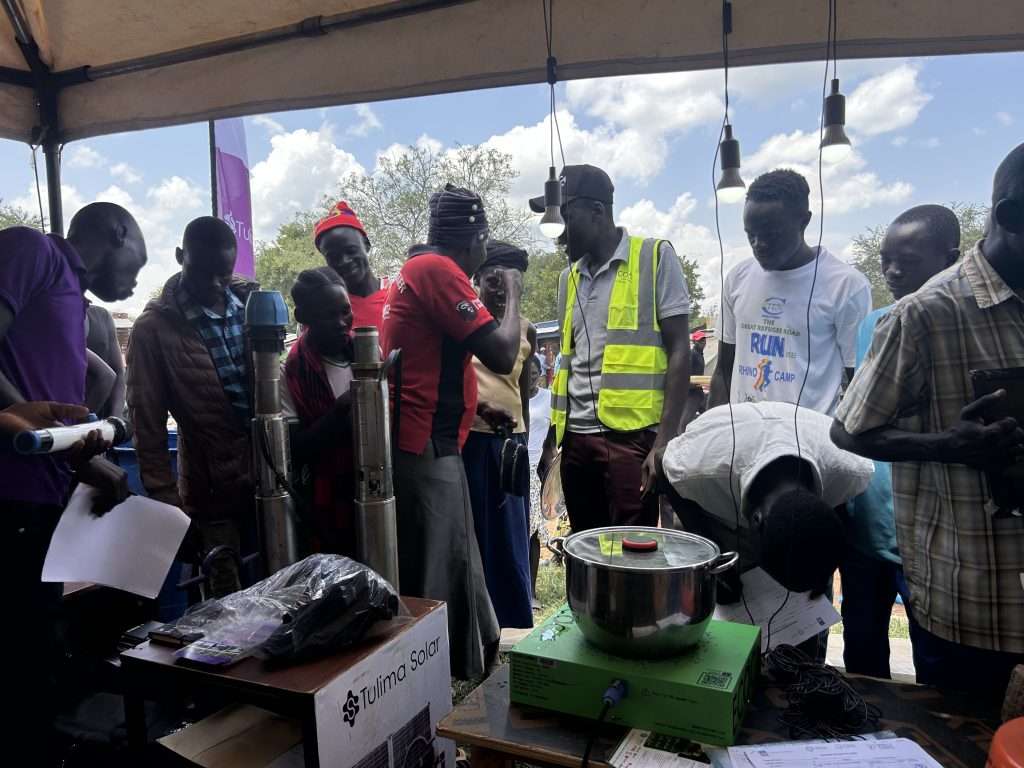
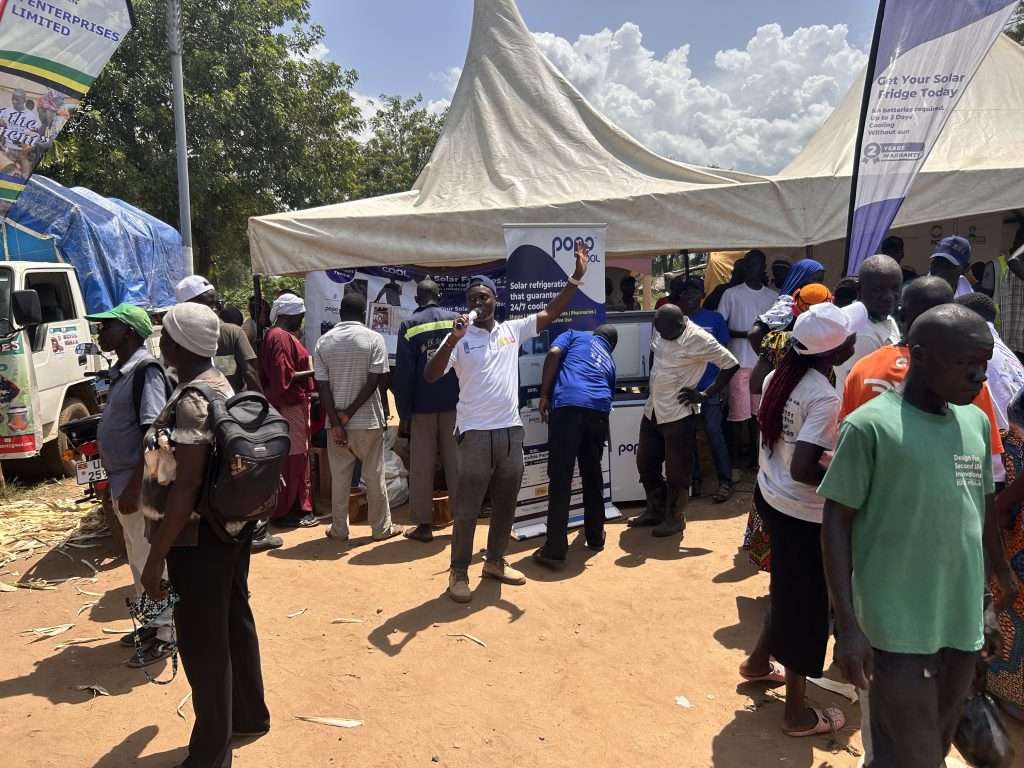
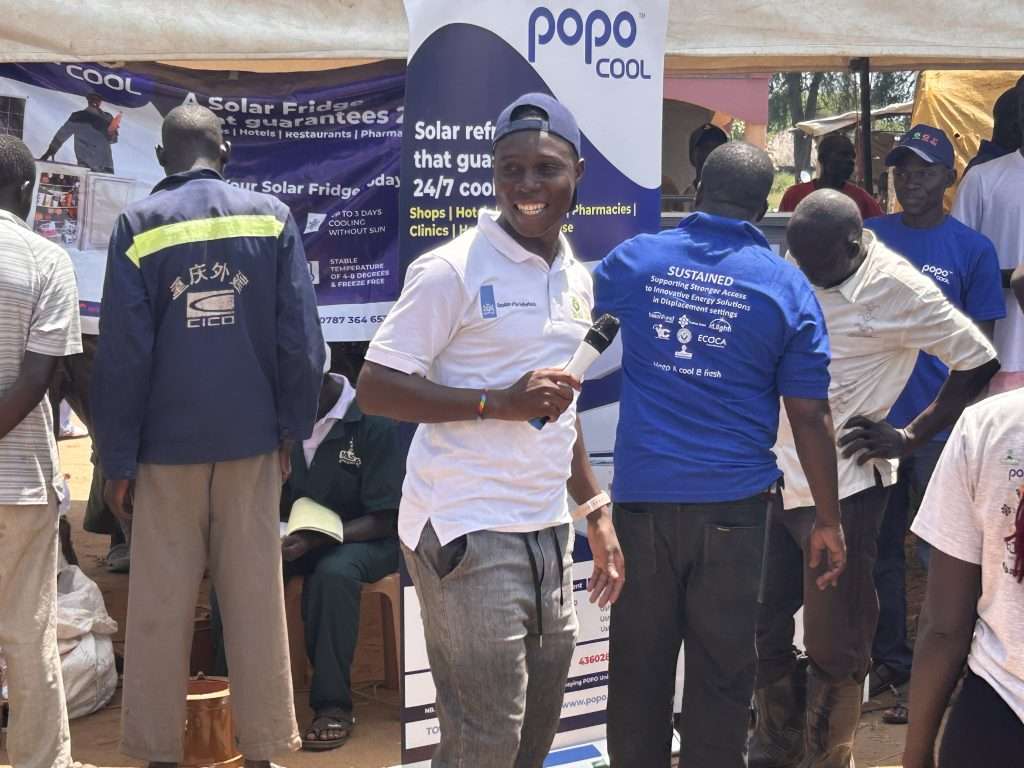
The exhibition generated significant community interest and demonstrated growing demand for renewable energy solutions. Many households showed strong interest in and procured Clean Cooking Solutions, with participants particularly appreciating their potential to reduce dependence on firewood and charcoal. Community members noted that traditional three-stone and locally made cookstoves require significant quantities of firewood and charcoal, resulting in high household expenditure. The introduction of cleaner cooking technologies therefore generated considerable interest, including among men who actively participated in the demonstrations and discussions. Farmers also expressed strong interest in solar irrigation water pumps, while business operators recognized the potential of solar refrigeration to support their enterprises and reduce losses. Overall, the exhibition increased community knowledge, strengthened direct market linkages between consumers and ESCOs, and enabled service providers to reach potential customers at the last mile.
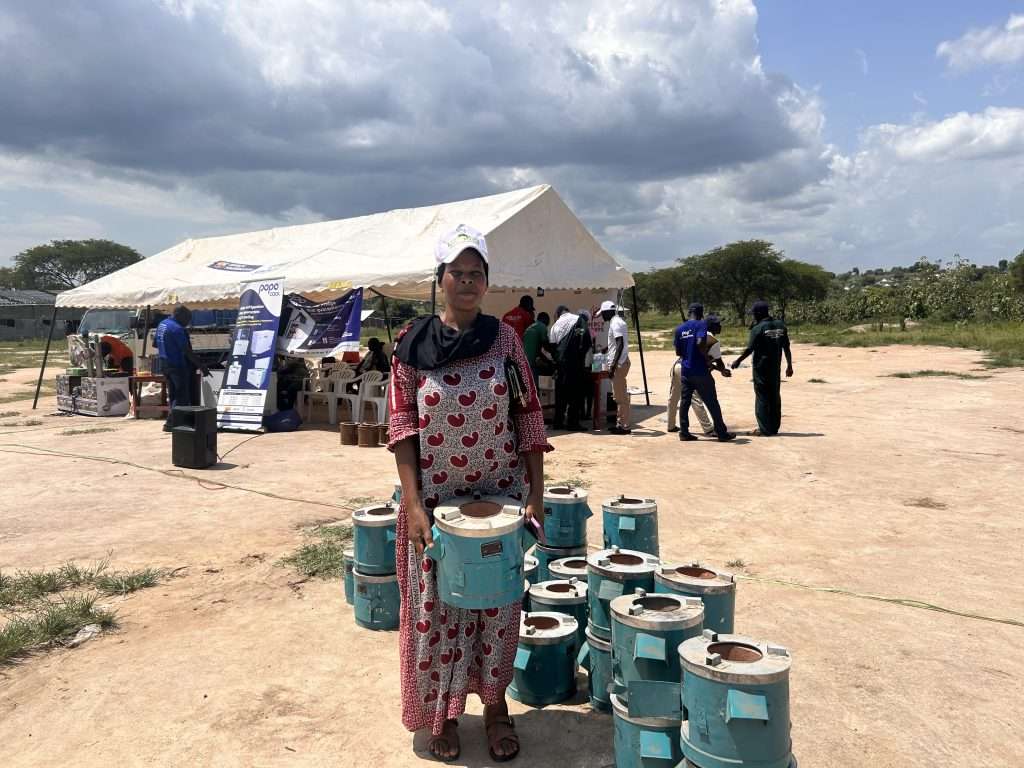
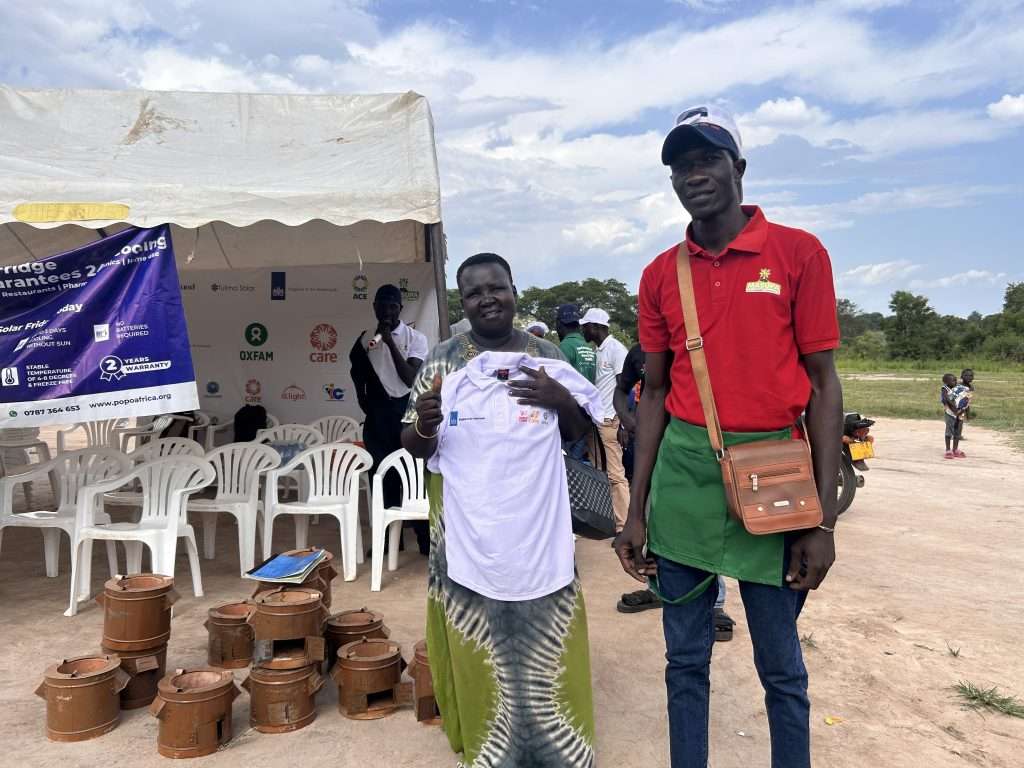
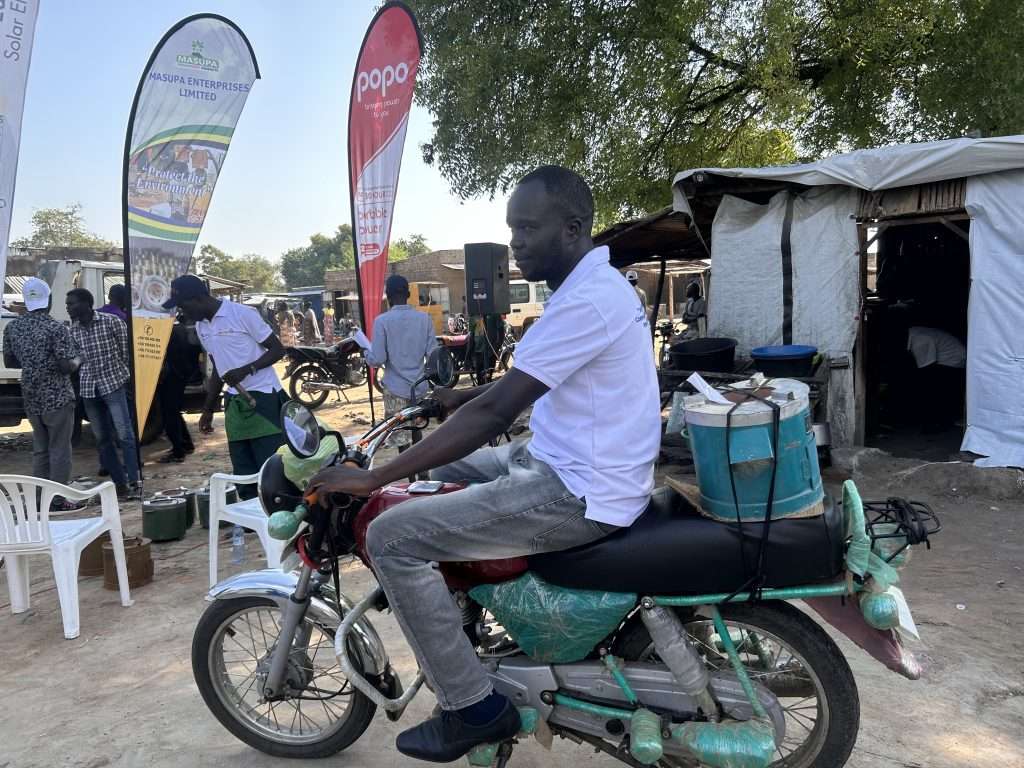
Despite the positive response, several challenges affected the uptake of the technologies. Mindset and perception change remained a major challenge, particularly among households accustomed to traditional cooking practices using firewood and three-stone stoves. Some community members also expected the technologies to be provided as humanitarian assistance or free of charge, which created difficulties in promoting a market-based approach. In addition, many farmers expressed interest in solar irrigation but identified the limited availability of reliable water sources as a major barrier to investment. These challenges were addressed through practical demonstrations, expert explanations, and cost-benefit discussions that helped communities understand the long-term economic, health, and environmental benefits of the technologies. Farmers were also encouraged to consider submersible solar water pumps alongside appropriate water-source development, including water-source support under the consortium, to improve the feasibility of irrigation investments.
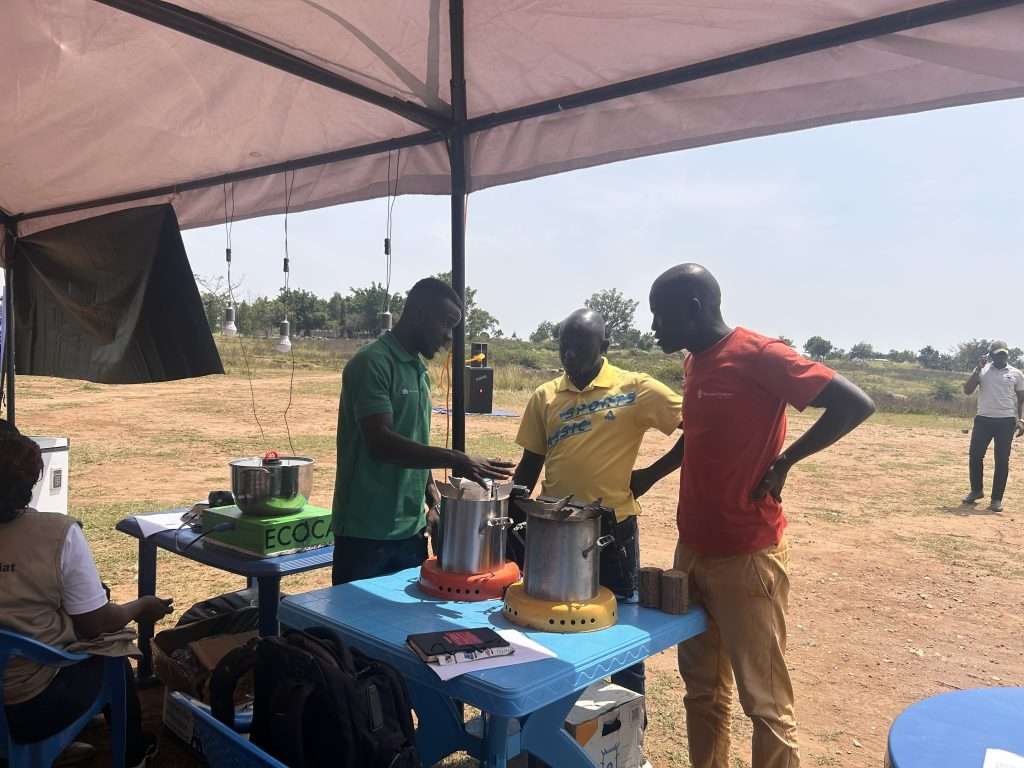
Overall, the Mega Exhibition demonstrated the growing potential of PUE and CCS technologies to contribute to livelihood improvement, food security, business development, environmental protection, and resilience among refugee and host communities. The activity confirmed that practical demonstrations and direct engagement with technology providers are effective in building community confidence and stimulating demand, particularly when beneficiaries can see the technologies operating in real-life settings. Moving forward, continued awareness creation, strengthened market linkages, improved access to affordable financing, reliable product availability, and technical support will be critical to converting the growing community interest into sustained adoption. Strengthening access to reliable water sources for irrigation and continued sensitization on the market-based nature of the SUSTAIN Project will also be essential for scaling PUE and CCS adoption within refugee-hosting communities.

Leave A Comment